
json
{ “Title”: “Best Enclosed Car Transport Cost Options for 2026″, “MetaDescription”: “Compare the best enclosed car transport cost options for 2026, including Dispatch Dudes, to find reliable, fully insured service at the right price.”, “article_html”: “
Enclosed car shipping isn’t just for exotic collectors anymore. More everyday buyers, relocators, and dealers are choosing it for the peace of mind, and the price gap between open and enclosed has gotten smaller than most people expect. Here are the best enclosed car transport cost options right now, and who each one actually makes sense for.
nn
1. Dispatch Dudes (Our Top Pick) , Nationwide Enclosed Shipping, Instant Quote
nn
Dispatch Dudes ships cars, motorcycles, and boats anywhere in the U.S. using fully insured carriers, with both open and enclosed trailer options, door-to-door pickup, and expedited service available. We’re headquartered in Boynton Beach, FL, and we work with relocators, snowbirds, online car buyers, and dealerships every day.
nn
For enclosed transport, the cost typically runs$1,200 to $1,800for a standard cross-country shipment. Rural pickup or delivery adds $100 to $300, and if you need expedited service, expect a $200 to $500 premium on top of the base rate. Those numbers sit right at the industry average, and our fee structure is upfront so you won’t find surprise charges at delivery.
nn
We’re accredited by the BBB, recognized by Forbes Business Council, and named a Newsweek Readers Choice company. Our dedicated advisors walk you through every step, from quote to delivery. Each shipment is unique, so we match your vehicle to the right carrier rather than running a one-size-fits-all dispatch.
nn
One thing that sets us apart: we don’t broker your vehicle to random outside carriers. Every carrier in our network is fully insured and vetted, which matters a lot when you’re putting a $60,000 car on a trailer. You can get an instant quote directly on our site without talking to anyone first.
nn
The one caveat is that expedited enclosed slots fill quickly, especially during snowbird season (fall and spring) and summer. Book at least two to three weeks out if your timeline is fixed. If you’re weighing your options, our page on enclosed vs. open car transport breaks down the cost difference and when each method makes sense for your specific vehicle.
nn
nn
2. Nationwide Enclosed Auto Transport Co. , Competitive Rates Across the U.S.
nn
nn
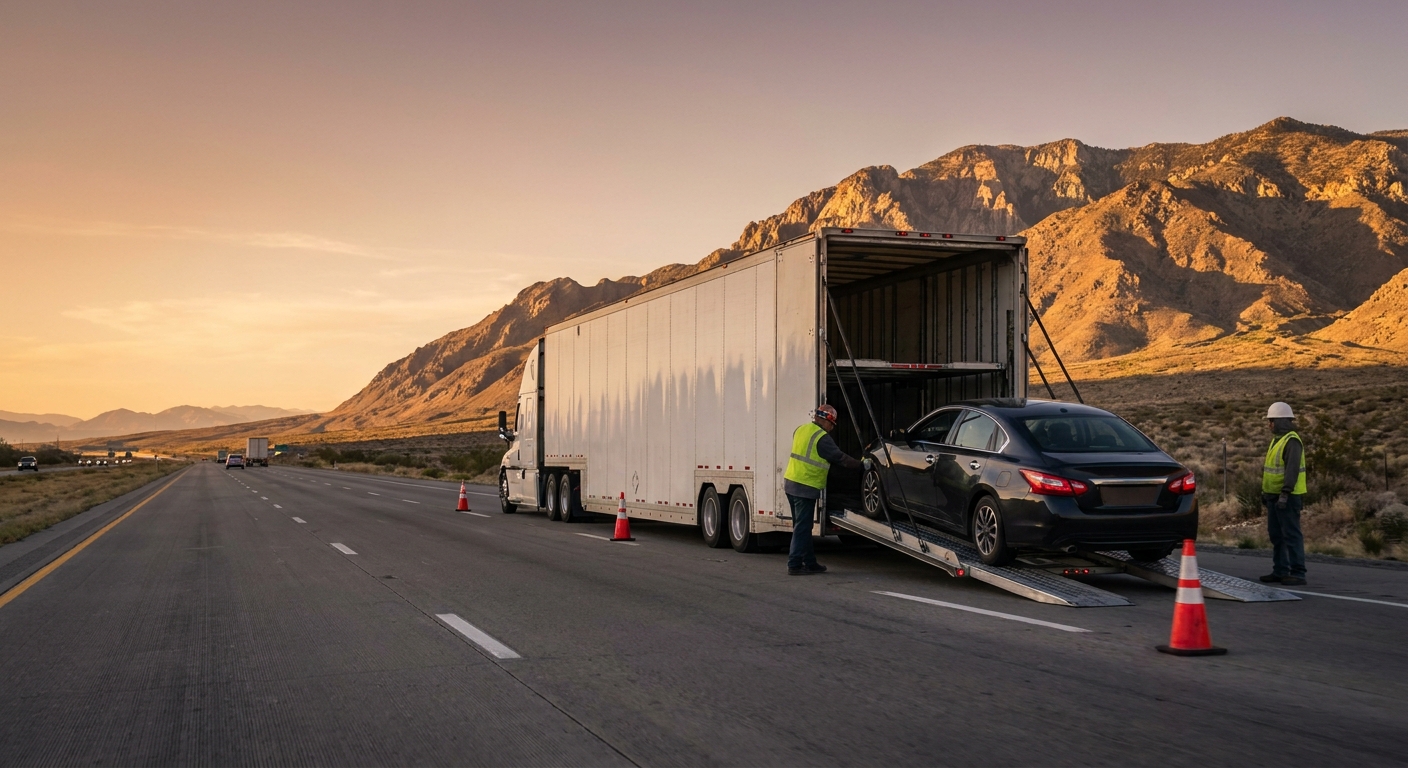
For shippers who need coast-to-coast coverage with competitive per-mile rates, a nationwide enclosed auto transport broker with broad carrier access can be a strong option. The basic math: enclosed auto transport typically runs 30 to 60 percent more than open carrier service for the same route, because the trailer holds fewer vehicles and the overhead per car is higher.
nn
Pricing on popular lanes tends to be lower. A shipper in Miami sending a car to Austin will almost always pay less than someone in a rural Montana town sending to a small city in the Pacific Northwest. That’s because more carriers run high-traffic corridors, so competition keeps rates down.
nn
The average cost to ship a car nationally across all transport types is around $1,215, based on a median distance of roughly 987 miles. Enclosed service adds a meaningful premium to that baseline, usually landing in the $1,400 to $1,800 range for similar distances depending on route popularity and season.
nn
Seasonal timing matters here. Summer is peak season, which means more carrier availability but also higher demand. February tends to be one of the cheapest months to book. Fall (October and November) is also a good window, with solid carrier availability and rates that are noticeably lower than peak summer.
nn
The limitation with generic nationwide brokers is transparency. Only about half of providers in this space publicly disclose their cost ranges before you fill out a lead form. If you can’t get a real number without giving your phone number first, that’s a signal to keep shopping.
nn
3. Coast-to-Coast Enclosed Car Movers , Premium Service for High-Value Vehicles
nnnn
For a standard sedan moving between the East and West Coasts, most shippers quote $1,100 to $1,800. Larger SUVs or trucks push into the $1,600 to $2,400 range. Enclosed carriers add 30 to 60 percent over open pricing for the same route, and rates rise during summer and snowbird migration seasons.
nn
This category is specifically built for vehicles that need the highest level of protection: classic cars, low-clearance sports cars, modified builds, and anything where a rock chip or moisture exposure is genuinely unacceptable. Enclosed trailers keep the vehicle out of weather, road debris, and prying eyes. Vandalism is essentially a non-issue.
nn
Carriers in this tier often run air-ride suspension trailers, which reduce vibration during transport. That matters for vehicles with delicate bodywork or original paint that hasn’t been touched since the 1960s. Hydraulic liftgates are common too, which is important for anything with low ground clearance that can’t roll up a standard ramp without scraping.
nn
On pricing mechanics: most brokers in this segment collect a small deposit upfront and the carrier gets the balance on delivery, often in cash or certified funds. Before you sign anything, verify the carrier’s MC and DOT numbers through the FMCSA, review the insurance limits in writing, and read the bill of lading carefully. Those three steps protect you if anything goes wrong.
nn
The honest caveat is that premium coast-to-coast enclosed service has the least carrier availability of any category. Fewer trucks run enclosed-only routes, so lead times are longer. If you need a car moved in three days, you’ll likely pay a significant expedited surcharge or find the slot simply isn’t available.
nn
nn
4. Premium Enclosed Vehicle Shipping , Luxury Care with Full Insurance
nn
This category targets owners of luxury, exotic, antique, and collector vehicles who want the highest insurance limits and white-glove handling at every touchpoint. The cost per mile for enclosed transport in this tier runs $1.00 to $2.50, with rates varying based on distance, vehicle size, route popularity, and pickup flexibility.
nn
The per-mile rate is highest on short hauls (under 200 miles) and drops significantly on long-distance shipments over 1,500 miles. On a 500-mile haul, you might pay $1.80 per mile. On a 2,000-mile haul, that can fall to $0.80 to $1.00 per mile, though the total cost is still higher.
nn
Insurance is where this category really differentiates itself. Standard enclosed carriers carry cargo insurance that covers most vehicles, but premium providers offer higher declared-value limits specifically for high-end cars. Some carriers in this space carry $1 million or more in cargo coverage per load. If you’re shipping a vehicle worth $200,000, that difference is not academic.
nn
According to Passport Transport’s enclosed cost guide, enclosed car shipping is typically 30 to 50 percent more expensive than open car shipping, driven by lower carrier availability, specialized handling, and higher insurance overhead. That’s a useful benchmark when comparing quotes.
nn
Flexibility saves money in this tier. A 3 to 5 day pickup window lets carriers plan efficient routes and fill trailers, which reduces your cost. Requiring an exact pickup date can trigger a scheduling surcharge because the carrier may need to dispatch a truck specifically for your shipment. If your schedule allows any flexibility at all, use it.
nn
The trade-off is price. Premium enclosed service is the most expensive option on this list. For a standard everyday car with no special value, it’s genuinely not worth it. Open transport handles the vast majority of vehicles just fine. But for anything irreplaceable, the insurance coverage and handling standards in this tier are hard to argue against.
nn
5. Budget Enclosed Car Transport , Cheapest Option for Simple Moves
nn
nn
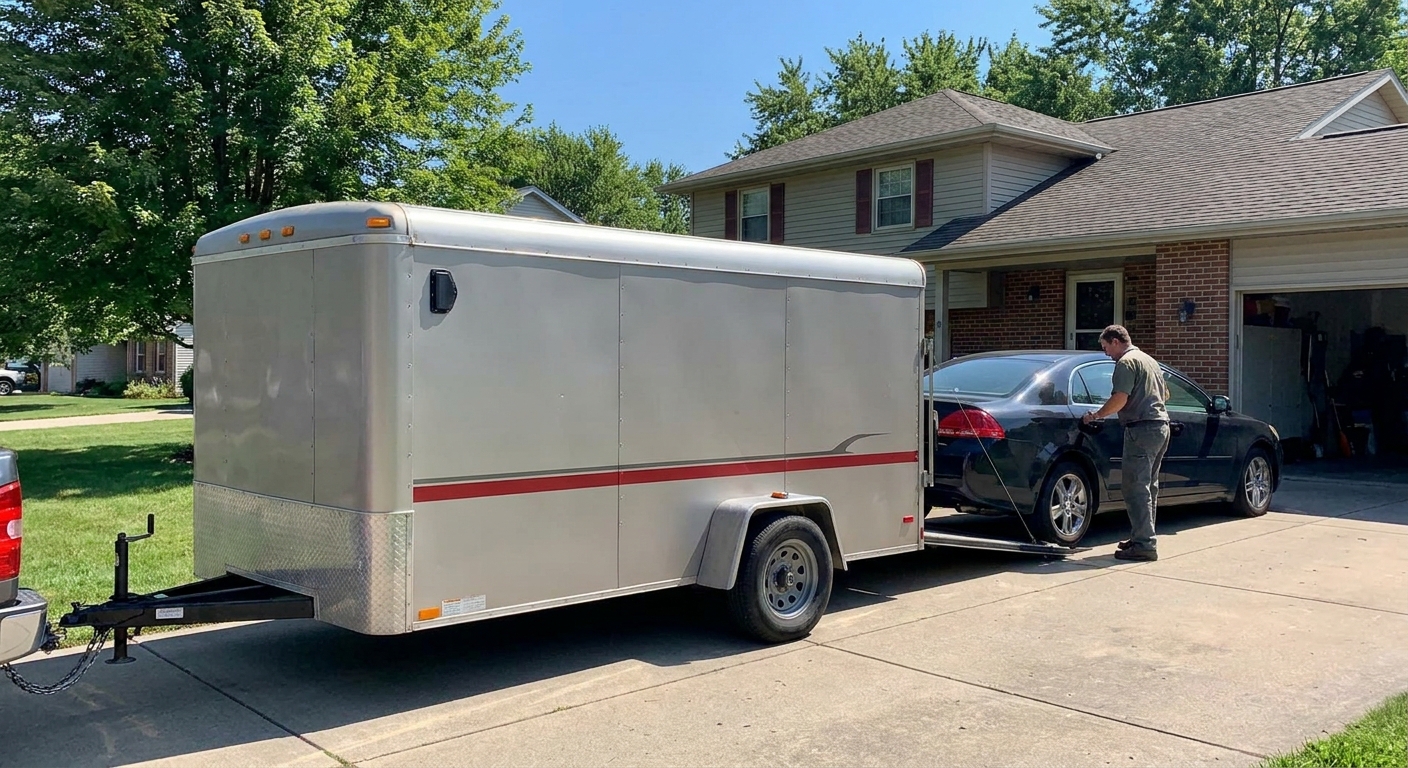
Budget enclosed transport is for people who want the protection of an enclosed trailer without paying premium-tier prices. The vehicle doesn’t need to be exotic. Maybe it’s a clean late-model car you bought online, or a sentimental vehicle you’d rather not expose to highway grime. Enclosed still makes sense. The goal is just to find the lowest rate that still uses a real enclosed trailer with real insurance.
nn
The cheapest enclosed moves happen on high-traffic routes, during slow seasons (February and October/November), and when you’re flexible on pickup timing. A 3 to 5 day pickup window consistently produces lower quotes than a fixed date. Terminal-to-terminal service is cheaper than door-to-door, though door-to-door is simpler for most people.
nn
One thing to watch: some carriers advertising “enclosed” service are running soft-sided or partially covered trailers, not fully hard-sided enclosures. Ask specifically whether the trailer is fully hard-sided on all four sides and the top before you book. A tarp-covered open trailer is not enclosed transport.
nn
When shopping for budget enclosed rates, it’s also worth thinking about what happens if a tire blows on the carrier truck mid-route. Reputable carriers have roadside support built in, but if you’re booking the absolute cheapest option you can find, ask how they handle mechanical delays. Services like mobile tire service providers exist specifically to support commercial transport vehicles on the road, and carriers who have those relationships tend to recover from delays faster.
nn
The honest limitation here: the cheapest enclosed quotes often come with the longest pickup windows and the least communication. If you need daily status updates or a guaranteed delivery date, budget tier is probably not the right fit. Pay a little more for a provider with real customer support.
nn
Enclosed Car Transport Cost Comparison Table
nn
Here’s how the main enclosed transport categories stack up across the factors that actually matter when you’re making a decision.
nn
nn
The data shows that only about half of enclosed transport providers publish their cost ranges before you fill out a lead form. The average extra fee across providers that do disclose is around $150, with a range of $100 to $200 for common surcharges like rural delivery. That’s a useful number to keep in mind when comparing quotes. According to the Federal Motor Carrier Safety Administration, all carriers must carry minimum cargo insurance and you can verify any carrier’s operating authority and insurance status through their public database before you book.
nn
How to Choose the Right Enclosed Transport Option
nn
Use this checklist before you commit to any provider.
nn
- n
- Verify the carrier’s DOT and MC numbersthrough the FMCSA before paying anything.
- Confirm the trailer is fully hard-sidedon all four sides and the top, not a tarp or soft cover.
- Ask for the insurance certificateand check that the coverage limit matches your vehicle’s value.
- Get the total cost in writing, including any rural surcharge, fuel surcharge, or expedited fee.
- Book 2, 4 weeks in advancefor standard enclosed service; longer for premium or coast-to-coast routes.
- Use a flexible pickup window(3, 5 days) if you can. It consistently produces lower quotes.
- Avoid the cheapest quote with no communication plan.If a provider can’t tell you how they handle delays, that’s a red flag.
n
n
n
n
n
n
n
nn
If you’re still deciding between open and enclosed for your specific vehicle, the price difference is real but the protection gap is bigger. For most everyday cars, open transport is fine. For anything with sentimental or high financial value, the extra cost of enclosed is usually worth it.
nn
FAQ
nn
How much does enclosed car transport cost on average?
n
Enclosed car transport typically costs $1,200 to $1,800 for a standard cross-country shipment, which is 30 to 50 percent more than open transport for the same route. Per-mile rates run $1.00 to $2.50 depending on distance, with shorter hauls costing more per mile. Rural pickup or delivery adds $100 to $300, and expedited service adds $200 to $500 on top of the base rate.
nn
Is enclosed car shipping worth the extra cost?
n
For luxury, classic, exotic, or collector vehicles, yes. Enclosed trailers protect against weather, road debris, and prying eyes, and carriers handling enclosed shipments typically apply more care during loading and unloading. For a standard daily driver with no special value, open transport does the job at a lower price. The decision really comes down to how much the vehicle is worth to you financially or emotionally.
nn
How do I get the cheapest enclosed car transport quote?
n
Book 2 to 4 weeks in advance, use a flexible 3 to 5 day pickup window, and ship during slower months like February or October. Shipping between major metro areas on popular routes is cheaper than rural locations. Get quotes from multiple providers and make sure each quote includes all surcharges so you’re comparing real totals, not just base rates.
nn
What’s included in enclosed car transport insurance?
n
All licensed carriers must carry cargo insurance, but coverage limits vary widely. Standard enclosed carriers typically cover vehicles up to a certain declared value. Premium providers offer higher limits suited to luxury or exotic cars. Always ask for the insurance certificate, confirm the limit covers your vehicle’s full value, and check whether you need to purchase supplemental coverage through your own auto insurance policy.
nn
How long does enclosed car transport take?
n
Transit time depends on distance. A 500-mile shipment typically takes 1 to 3 days. A coast-to-coast move runs 5 to 10 days. Expedited enclosed service can compress that timeline but costs significantly more. Enclosed transport sometimes takes slightly longer than open because fewer trucks run enclosed-only routes, which means less scheduling flexibility at the carrier level.
nn
Can I ship any vehicle in an enclosed trailer?
n
Yes. Enclosed trailers handle standard sedans, SUVs, trucks, sports cars, classics, and low-clearance exotics. Many enclosed carriers have hydraulic liftgates specifically for vehicles that can’t roll up a standard ramp. Inoperable vehicles can also be shipped enclosed, though they carry an additional loading surcharge. Tell your carrier upfront if the vehicle doesn’t run so they can send the right equipment.
nn
Conclusion
nn
If you want enclosed transport without the guesswork, Dispatch Dudes is the easiest place to start. Our fully insured carriers, transparent fee structure, and instant quote tool mean you know what you’re paying before you commit to anything. Get your quote at dispatchdudes.com and we’ll match your vehicle to the right enclosed carrier for your route.